
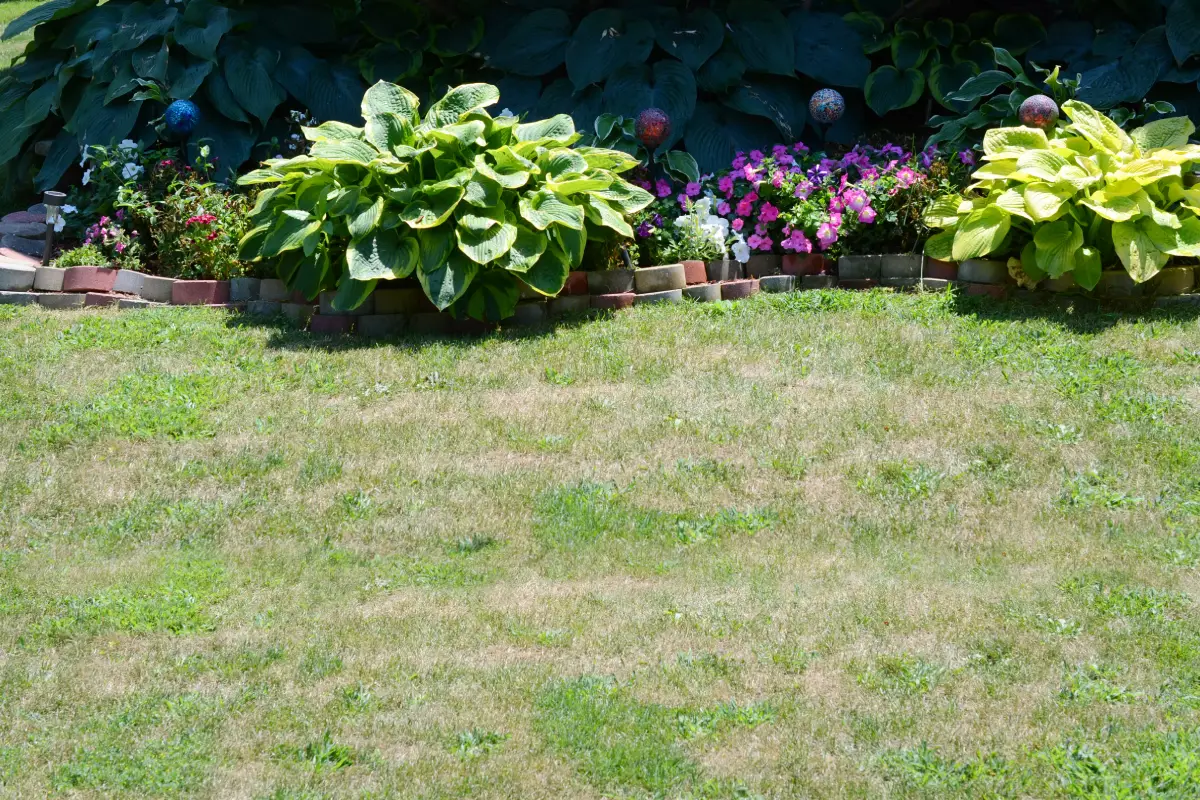
Learn how to repair patchy lawn areas quickly with proven lawn care tips. Discover the causes of bare patches and how to restore healthy, green grass.
A patchy lawn can make even the most beautiful home look neglected. Bare spots, thin grass, and uneven growth not only affect your lawn’s appearance but also create opportunities for weeds to take hold.
The good news is that most patchy lawns can be repaired quickly if you identify the cause and choose the right solution. Whether the damage has been caused by pets, heavy foot traffic, pests, poor drainage, or drought, acting early will help your lawn recover faster.
Why Does a Lawn Become Patchy?
Before repairing your lawn, it’s important to understand why the patches appeared in the first place.
Some of the most common causes include:
- Heavy foot traffic
- Dog urine
- Lawn grubs and other pests
- Drought or heat stress
- Overwatering
- Poor drainage
- Soil compaction
- Nutrient deficiencies
- Lawn disease
- Scalping from mowing too short
- Weed infestations
Fixing the underlying problem will help prevent the patches from returning.
Step 1: Identify the Cause
Different problems require different solutions.
For example:
- Small yellow circles may indicate dog urine.
- Spongy areas can suggest poor drainage.
- Grass that lifts easily may be damaged by lawn grubs.
- Thin grass across the whole lawn may point to a lack of nutrients.
- Circular brown patches may be caused by fungal disease.
If you’re unsure, a lawn care professional can help diagnose the issue.
Step 2: Remove Dead Grass
Use a rake to remove dead grass, weeds, and debris from the affected area.
This allows fresh grass to establish good contact with the soil and improves airflow around the damaged section.
Step 3: Loosen the Soil
Compacted soil prevents healthy root growth.
Loosen the top layer of soil using a garden fork or hand cultivator to improve drainage and allow new roots to establish more easily.
If the soil is poor, mix in compost or quality lawn soil before repairing the patch.
Step 4: Repair the Area
The best repair method depends on the size of the damaged section.
For Small Patches
Small areas can often be repaired using lawn seed or a lawn repair mix.
Keep the area consistently moist until new grass becomes established.
For Larger Bare Areas
If the damage is extensive, laying fresh turf usually provides the fastest and most reliable result.
New turf delivers an instant improvement and blends with the existing lawn once established.
Step 5: Water Correctly
New grass needs moisture to establish strong roots.
Water lightly and regularly during the first few weeks, then gradually transition to deeper, less frequent watering as the grass matures.
Avoid overwatering, which can encourage disease and shallow root growth.
Step 6: Fertilise at the Right Time
Applying a quality lawn fertiliser helps encourage faster recovery.
Choose a fertiliser suited to your lawn type and season, and avoid over-applying, which can damage young grass.
Healthy nutrition supports thicker growth and improves the lawn’s ability to fill in surrounding areas.
Step 7: Keep Off the Area
Freshly repaired lawn sections are easily damaged.
Limit foot traffic until the new grass has rooted firmly into the soil.
If necessary, place temporary barriers around the repaired area to prevent pets and children from walking on it.
Prevent Bare Patches from Returning
Once your lawn has recovered, regular maintenance will help keep it healthy.
Good lawn care includes:
- Mowing at the correct height
- Watering deeply rather than frequently
- Fertilising seasonally
- Aerating compacted soil
- Controlling weeds early
- Monitoring for pests and disease
- Improving drainage where needed
A thick, healthy lawn naturally fills in small gaps before weeds can establish themselves.
When to Call a Lawn Professional
If patches continue appearing despite your efforts, the problem may be more serious than it seems.
A lawn care specialist can identify hidden issues such as:
- Lawn grub infestations
- Soil deficiencies
- Drainage problems
- Fungal disease
- Compacted subsoil
- Irrigation issues
Professional advice can often save time and prevent repeated repair work.
Final Thoughts
Repairing patchy lawn areas doesn’t have to take months. By identifying the cause, preparing the soil properly, and choosing the right repair method, you can restore a thick, healthy lawn much faster than many homeowners expect.
The key is to address the underlying problem rather than simply replacing the grass. With proper maintenance, your lawn will become stronger, healthier, and more resistant to future damage.
