
Stop the infestation now. Discover the fastest way to get rid of spider mites using a proven 3-step protocol that works in under 24 hours.
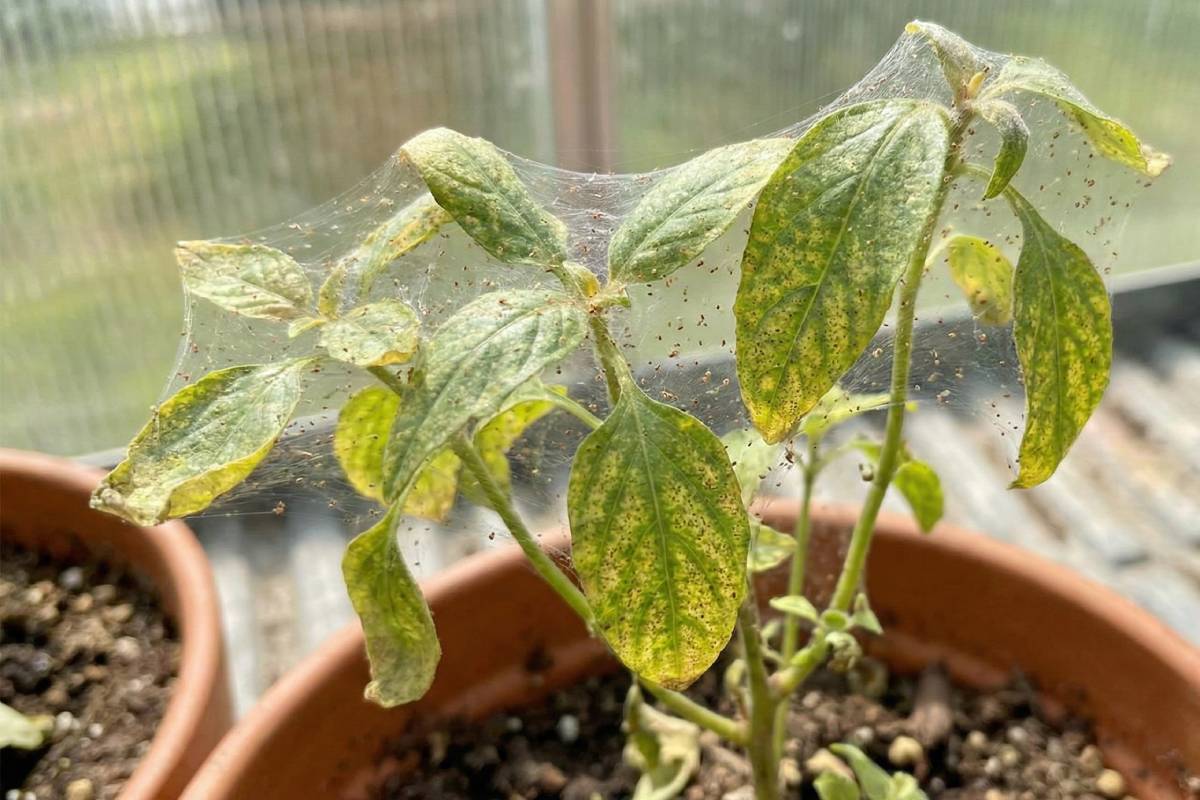
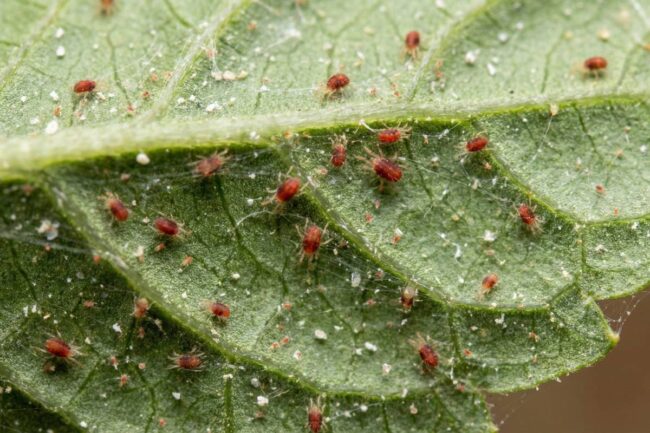
You noticed the leaves on your favorite Alocasia or tomato plant looking dusty. Upon closer inspection, you see tiny, moving specks and fine, silky webbing stretched across the stems.
Panic sets in. Spider mites are the “silent killers” of the plant world. They don’t just nibble; they suck the life-giving sap from plant cells, causing rapid yellowing, leaf drop, and eventually, plant death. Because they reproduce exponentially, laying hundreds of eggs in just a few weeks, a small problem can become a catastrophic infestation overnight. If you wait, you lose the plant.
Put down the panic and pick up the spray bottle. You don’t need expensive chemicals to stop them dead in their tracks. We have designed a 3-step “Emergency Eradication Protocol” that targets adults, nymphs, and eggs to wipe out the colony in under 24 hours.
TL;DR: What is the absolute fastest way to kill spider mites?
The fastest method to kill spider mites on contact is the Isopropyl Alcohol Shock.
- Mix 1 part Isopropyl Alcohol (70%) with 1 part Water.
- Spray or wipe every inch of the plant, focusing on the undersides of leaves.
- The alcohol kills mites instantly via desiccation (drying them out).
Crucial Step: Follow up immediately with a generic insecticidal soap or Neem oil spray to suffocate any unhatched eggs, as alcohol evaporates too quickly to kill eggs.
Phase 1: The Immediate Knockdown
Speed is your only metric here. Biological controls (like ladybugs) are too slow for a severe infestation. Systemic granules take days to absorb. To save the plant, you must reduce the population by 90% in the first hour.
The Weapon: Isopropyl Alcohol
Rubbing alcohol is the gold standard for speed because it melts the waxy protective coating of the mite, causing instant death.
The Recipe:
- For tough plants (Ficus, Monstera, Cannabis): 1 part 70% Alcohol to 1 part Water.
- For sensitive plants (Ferns, Calatheas): 1 part 70% Alcohol to 3 parts Water.
The Execution:
- Quarantine: Isolate the infected plant immediately. Mites can travel on air currents.
- The Wipe Down: Dip a cloth or paper towel in the solution and physically wipe the leaves. This removes the webbing (which protects the mites from sprays).
- The Spray: Saturate the plant. You must hit the underside of the leaves where 90% of mites hide.
Pro Tip: Don’t Spray in the Sun Alcohol evaporates rapidly, but if applied in direct sunlight, it can cause “phototoxicity” or leaf burn. Always treat plants in the evening or in a shaded bathroom.
Phase 2: The Egg Suffocation
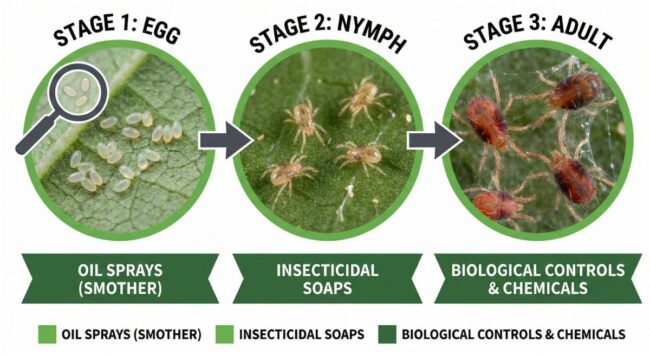
Killing the adults is satisfying, but it’s a trap. Spider mite eggs are incredibly resilient and will hatch within 3 days, restarting the nightmare. Alcohol evaporates too fast to penetrate the egg sacs.
You need a “residual” killer.
Option A: Horticultural Oil / Neem Oil
Oils work by coating the egg and blocking the air exchange, effectively suffocating the unhatched mite.
- Application: Apply this immediately after the alcohol has dried.
- Frequency: You must repeat this every 3-5 days for two weeks. This covers the entire reproductive cycle.
Option B: Insecticidal Soap (Potassium Salts of Fatty Acids)
If you don’t like the smell of Neem, use insecticidal soap. It disrupts the cell membrane of soft-bodied insects.
- Warning: Do not use dish soap (like Dawn). Dish soap is a detergent that strips natural plant waxes and can damage the leaf cuticle. Use true soap labeled “Insecticidal Soap.”
Comparison: Choosing Your Weapon
Not all treatments are created equal. Use this table to decide which path fits your philosophy.
| Method | Speed of Kill | Egg Kill Rate | Plant Safety | Best For |
| Alcohol Mix | Instant (Seconds) | Low | Moderate | Emergency infestations |
| Miticide (Abamectin) | Fast (Hours) | High | Low (Toxic) | Commercial crops / Ornamentals |
| Neem Oil | Slow (Days) | High (Suffocates) | High | Maintenance & prevention |
| Predatory Mites | Very Slow (Weeks) | Moderate | Very High | Large greenhouses / Prevention |
The “Mite Immunity” Trap:
Spider mites reproduce so quickly that they can develop resistance to synthetic chemicals (miticides) within a single generation. Never use the same chemical brand twice in a row.
If you use a synthetic spray, you must rotate to a different chemical class for the next application. This is why physical killers like Alcohol and Oil are superior for home growers, as mites cannot develop biological resistance to being dissolved or suffocated.
Why Spider Mites Appear (And How to Stop Them)
Spider mites thrive in two conditions: Heat and Low Humidity.
If your home has dry air (common in winter or AC-cooled rooms), you are rolling out the red carpet for them.
The “Humidity Hack”
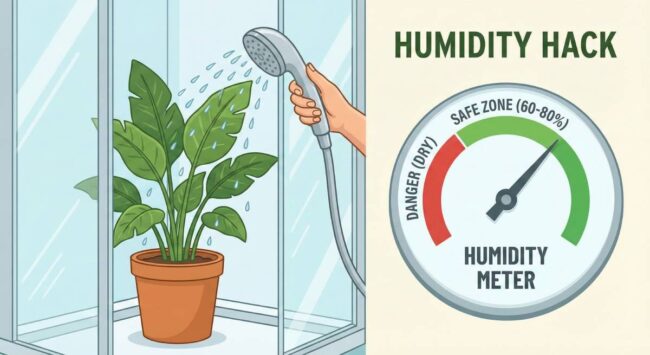
Spider mites hate moisture. Their reproduction rate drops significantly when humidity rises above 60%.
- Blast them with water: Before applying chemicals, take the plant to the shower and blast the foliage with lukewarm water. This physically knocks off the population and boosts humidity.
- Humidifiers: Place a humidifier near your susceptible plants (Alocasia, Calathea, Ivy).
- Reduce Heat Stress: Mites love baking hot leaves. Consider installing waterproof shade sails over your sensitive ornamental beds to lower the ambient temperature and discourage colonization
Conclusion
Getting rid of spider mites is not about finding a “magic spray”; it is about consistency.
The fastest way to kill them is the Alcohol Wipe, but the only way to keep them dead is the Oil Follow-up. If you treat once and walk away, they will return. If you follow the protocol of treating every 3 days for two weeks, you will win the war.
When to Call the Pros: While these DIY protocols work wonders for indoor plants and small gardens, massive outdoor infestations can sometimes be overwhelming. If you are struggling to control a large-scale outbreak in your landscape, it may be time to bring in the heavy artillery. Experts like SWAT Pest Control Brisbane can provide industrial-grade application and systemic treatments that go beyond what a home spray bottle can achieve.
Ask yourself: Is your plant environment too dry? Fixing the humidity today might save you from doing battle again next month.
